“Design matters. But design is not about decoration or about ornamentation. Design is about making communication as easy and clear for the viewer as possible.” Garr Reynolds
25 Principles
I couldn’t wait to crack open my course textbook: Universal Principles of Design (Rockport Publishers, 2010). Authors William Lidwell, Kritina Holden, and Jill Butler identify 125 ways to enhance usability, influence perception, increase appeal, make better design decisions, and teach through design.

The textbook is a reference for designers ranging from architecture to graphics to user-interface. It teems with 125 design principles, some with captivating names like Rosetta Stone or Fibonacci Sequence. Others sound like they are named after the discoverer: Ockham’s Razor or von Restorff Effect. There’s the exotic Wabi-Sabi and wacky Five Hat Racks.
I randomly selected 25 principles that caught my eye. Over the next several weeks, I present each design principle together with an illustration. The principles are grouped into five categories featuring five design principles each.
Designs in Nature
- Biophilia Effect
- Desire Line
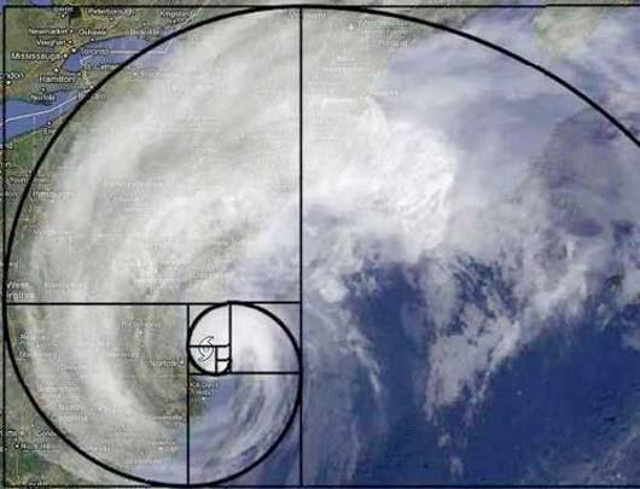
- Fibonacci Sequence
- Golden Ratio
- Wayfinding

Instructional Design
- Advance Organizer
- Recognition over Recall
- Rosetta Stone
- Storytelling
- von Restorff Effect
Marketing Design
- Anthropomorphic Form
- Archetypes
- Baby-Face Bias
- Colour
- Red Effect

Product Design
- Aesthetic-Usability Effect
- Contour Bias
- Horror Vacui
- Ockham’s Razor
- Wabi-Sabi

User-Interface Design
- Alignment
- Chunking
- Comparison
- Five Hat Racks
- Operant Conditioning
So let’s explore this series of principles beginning with Part 1 – Designs in Nature.
Related articles
- Book Review: Universal Principles of Design (codecraft.co)
 An Artist's Journey